
Happy Valentines Day!
Every time I enter a K-2 classroom to teach enrichment, I bring Freddy. Freddy is one of my classroom management posters. I bought some clipart and added a “Ready” title to the bottom of this page. The “Freddy” part kind of evolved with the children’s input. What is great about Freddy is that he looks exactly like I want the children to look when I am teaching. At the beginning of the year, we talk about what it looks like to listen and pay attention. Then as I am teaching, I walk around with Freddy and point to him when I see children not acting appropriately. Freddy and his friends are in page protectors in a binder that I carry with me when I am teaching an enrichment class, which lasts about 30-40 minutes.
Freddy has friends, too. With the children’s help I also have named a “Ready Betty”. As time has progressed, Freddy has made friends and I have included them in the binder, too. In addition, I have included a “lip sandwich” poster. I must give credit to a teacher friend for a lip sandwich idea. We discuss what a lip sandwich is at the beginning of the year so that children know the expectation. More than anything, showing them what Ready Freddy looks like gets results whether on the carpet in “criss cross applesauce” style or when children are at their seat. My principal even noticed how effective the posters were and commented on this, and I have had teachers ask their students to get in the Ready Freddy position.
Sometimes I am able to make a story about how Freddy is watching the children and I cover my eyes for five seconds and count and say that I know they will be ready when I open my eyes. I have also told children that Freddy is friends with Elf or Santa at Christmas. There are a myriad of fun imaginative stories you can make up where Freddy is involved especially since children thrive on imagination.
Here is the poster set I made for use at my school. There are most multicultural groups represented in this set.

I am starting to see my students grow up. At times they wait on me in a grocery store or they are a waiter etc. Looking at the struggles our current students are having in school and the push of education in a direction that leaves out common sense concerns me.
Maybe I just needed to rant about these things, but I really am quite concerned. Public education needs an overhaul of common sense, but these are areas (especially the research one I am going to work on with my students).
Below are some resources to teach time, money, and multiplication.


I will be sharing with you my K-2 enrichment lessons for January’s return. All of these lessons revolve around snowmen.
In kindergarten we will discuss what imagination is and read the well loved Snowmen at Night.
After we read this, students will design their own snowman and describe what he looks like, what his favorite food is, his name, favorite games, etc. As we finish, students will share their work, and we will discuss who used imagination and originality.
In first grade we will also discuss imagination and originality. Then we will read Sneezy the Snowman.
After we read this story, I will challenge students to think of a way to create Sneezy the Snowman without using snow since he keeps having the problem of melting. Students will have to think of different spherical shapes they might use for the balls that make up a Snowman. For example, they might use basketballs, globes, beachballs, Christmas ornaments, or the like. It will be fun to se who has the most imagination with this lesson!
With second grade, I will recycle a lesson I have done before and love! We will create six pointed paper snowflakes after learning about snowflakes in the book below. I will link to that post here.
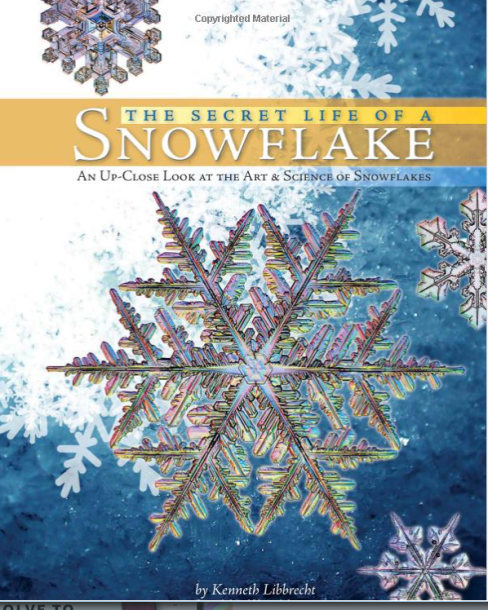
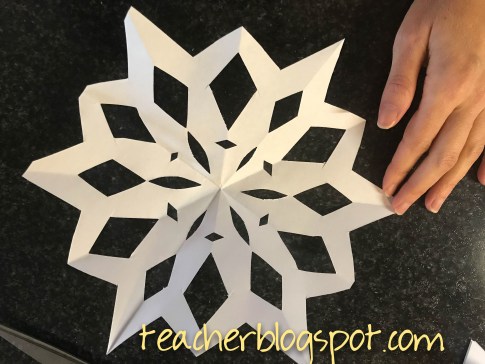
This year, I may change things up a bit as I use this video in lieu of the book.
Don’t forget Super Teacher Worksheets has lots of snowman resources, too, to round out any unit you may be developing!

Happy New Year 2022 from teacherblog.co!
