





Are Your Undue Assumptions about the Number Sense of Students Hindering Your Students’ Learning?
Yesterday I spent some time in a second grade classroom helping students who were adding double digit numbers. When working with one student, I realized he didn’t know he had ten fingers on his hand, and he didn’t know that four fingers on one hand and five fingers on another made one less than ten–nine. While at a CGI (Cognitively Guided Instruction) training today (I am in Year 2 of the training), some things dawned on me about this children. Children do not innately know that they have 10 fingers, nor do they necessarily discover this on their own. With that said, the CGI trainer today told us that she knew of a teacher that has students do finger flashes. She calls out numbers and the students hold up that many fingers. I had never thought to do something so simplistic. I know that in kindergarten we do such activities with dot cards, but I had never thought of finger flashes–WOW!
In this same second grade classroom, I moved on to another little girl who had difficulty counting on from the larger number. Even after I showed this student how to count on, I noticed that when looking at the problem she didn’t know where to get the other number to count on with her fingers. I showed her how to look at the problem to find the number. Again at the CGI training I realized for students to develop the number sense they need to count on, the teacher can push students toward counting on by posing a very large number in a word problem followed by a much smaller number. For example, with the problem 62 + 3, 62 would be easier to start from and just count up 3 more. Once a child is counting up just 3 more, the second number could be increased. As my mentor always used to tell me–You know better, then you do better. That is me.
Do Your Students Mix Up Area and Perimeter? Try This…
Seeing the same problem, students continuing to mix up area and perimeter questions, reoccur with our 4th and 5th grade students on their unit tests, we decided to try something new to help them differentiate between the two. With the questions already cut out, we took all of the released area and perimeter questions from our previous state tests and had students do a sort with them. Pairs of students sorted the questions underneath an area or perimeter heading. To add a little challenge to the activity, we added some volume, capacity, weight, multiplication, and division questions without telling them that these questions weren’t area or perimeter. As teachers, we learned during the students’ sort that students were thinking of area as the space inside of anything so that they were confusing volume and capacity with area. This led to students gaining a deeper understanding of the meaning of area. The students also learned from one another as Bloom’s higher order thinking on the evaluation level was in place. Students had to discuss each question and agree or disagree with one another about the decision to place it underneath a heading. See below for a look at our activity.

Area Perimeter Card Sort
Snapshot: What Does Obama’s State of the Union Address Mean for You?
During Obama’s State of the Union Address he spoke of lofty initiatives to:
- Keep kids in high school until they are 18
- offer rewards and incentives for teacher effectiveness instead of seniority
- improve teacher quality by improving teacher preparation programs
- partner businesses with community colleges
- end tuition tax credits
- make college more affordable by keeping tuition rates the same and ending federal funding if the universities increase their tuition
- replace ineffective teachers
- Give schools flexibility instead of teaching to the test, creatively teach students to learn…(and how will this happen since there will still be a test?)
See the full article at Huffington Post.
Running Out of Counting Activities?
To help students master common core standards in K-2 such as:
- K.CC.1. Count to 100 by ones and by tens.
- K.CC.2. Count forward beginning from a given number within the known sequence (instead of having to begin at 1).
- K.CC.3. Write numbers from 0 to 20. Represent a number of objects with a written numeral 0-20 (with 0 representing a count of no objects).
- 1.NBT.1. Count to 120, starting at any number less than 120. In this range, read and write numerals and represent a number of objects with a written numeral.
- 2.NBT.2. Count within 1000; skip-count by 5s, 10s, and 100s.
I developed a set of number charts with missing numbers and number chart puzzles to help students see patterns, become more proficient with number recognition, and become more proficient at counting. Pictured below is a picture I snapped of a kindergarten student putting together the 1-80 chart. Our school district decided to increase the numbers that students learn in kindergarten each quarter instead of working towards 100 the 1st quarter. This quarter our pacing guide says students should learn to count to 75, so students are completing a 1-80 puzzle. When using these puzzles with small children it is necessary to model this otherwise students will cut out each number. If you would like to sample the number charts and puzzles, there are a few pages for FREE on TPT–just download the preview.


Got Tattletales? Try This…
I learned this tip from a fellow teacher. Pick the current heart throb or popular personality for your grade level. For example, if all of the kids have Bieber fever, then simply find an 8 x 10 or larger picture of Justin Beiber. Post Justin in an out of the way corner of your classroom. When students start pointing or blaming another student with their tattle, then simply say, “Go tell Justin.” More mature students will find this absurd while the usual tattlers will eventually feel absurd as well since their peers will think they look silly talking to a picture. For young children stuffed animals work as well.
What Will You Do for Family Math Night?
After previously being at a PTA meeting, one of our parents voiced her opinion that many times students brought home homework with which parents weren’t able to help them because they were unfamiliar with the content. Since our parents have been in school themselves, many math strategies and methods are available to teach students–to mention a few–ten frames, ladder division, open number lines, compensation, bring it down addition, window method for multiplication. Because of this we set up five stations for our parents in addition to the stations for our students. We really wanted to reach our parents because isn’t that what Family Math Night is all about?
We had six parent stations to teach parents what their children were learning at school–ten frames, addition strategies, subtraction strategies, multiplication strategies, division strategies, and technology. The technology station gained much traffic due to its popularity. We had a lap top d and an Ipad displaying websites and apps that parents could use at home to teach their children. Many times when parents are sitting with their children in any waiting room, they hand their children cell phones to occupy them. To capitalize on this, why not show them educational ways to occupy their children’s time?
For our students teachers developed all types of math stations. We had three K-2 tables, three 3-5 stations, an estimation station, a technology station, and a music and math station. The K-2 tables included dominoes and equations, ten frame games, and legos with number bonds. The 3-5 tables included combinations with outfits, clock fractions, and measurement with paper airplanes. Our technology booth for students was also a big success as students explored different math websites on laptops.
To encourage parent attendance, we served dinner, had door prizes, and announced our 100th Day of School dress up winners. We hope for even more attendance next year. Pictured below are some of the stations and activities.

Clock Fractions
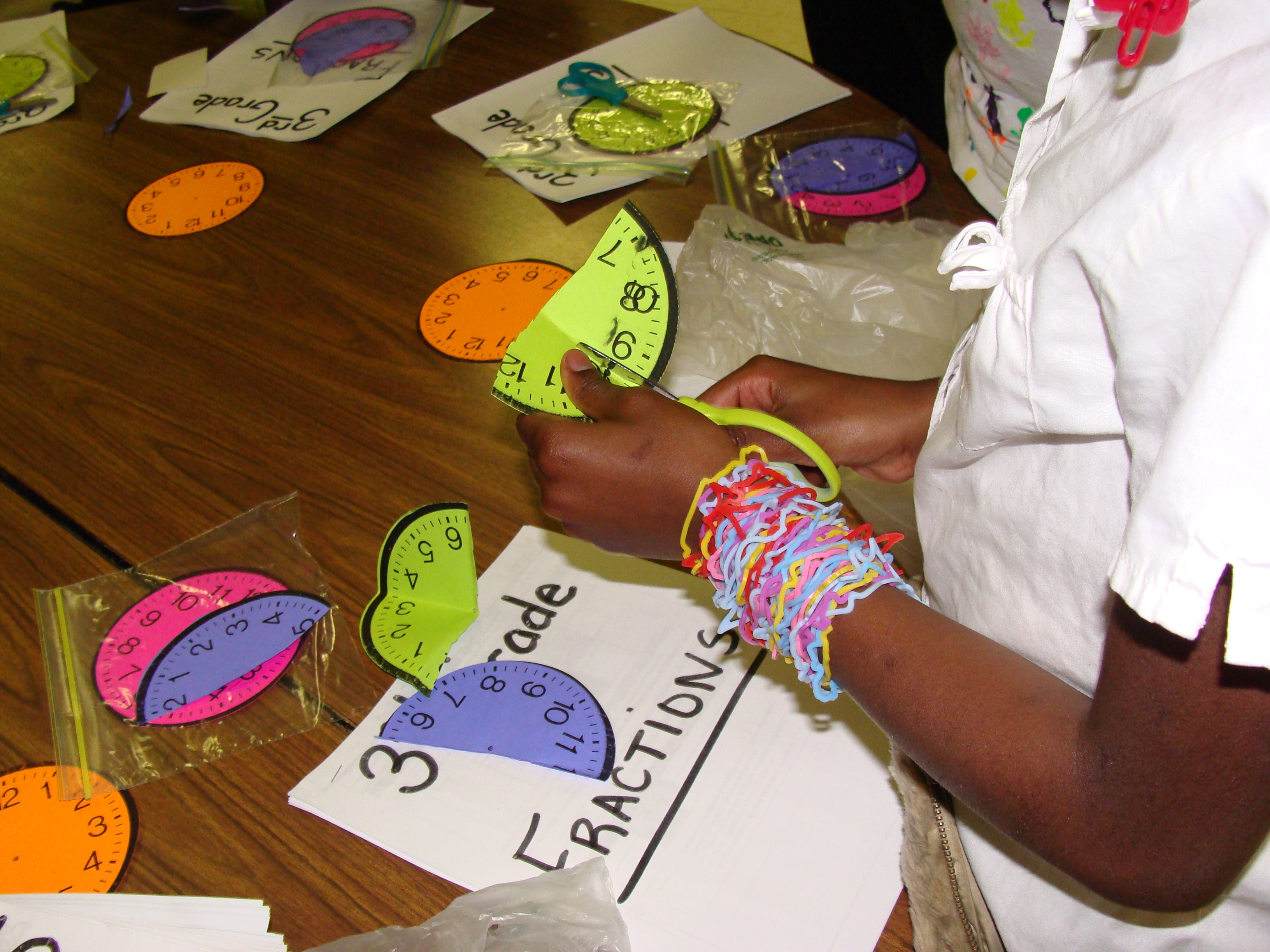
Cutting Clock Fractions...Notice the 100 Silly Bands


Estimation Station...The closest guesser wins the jar.

Estimation Station

Equations with Dominoes
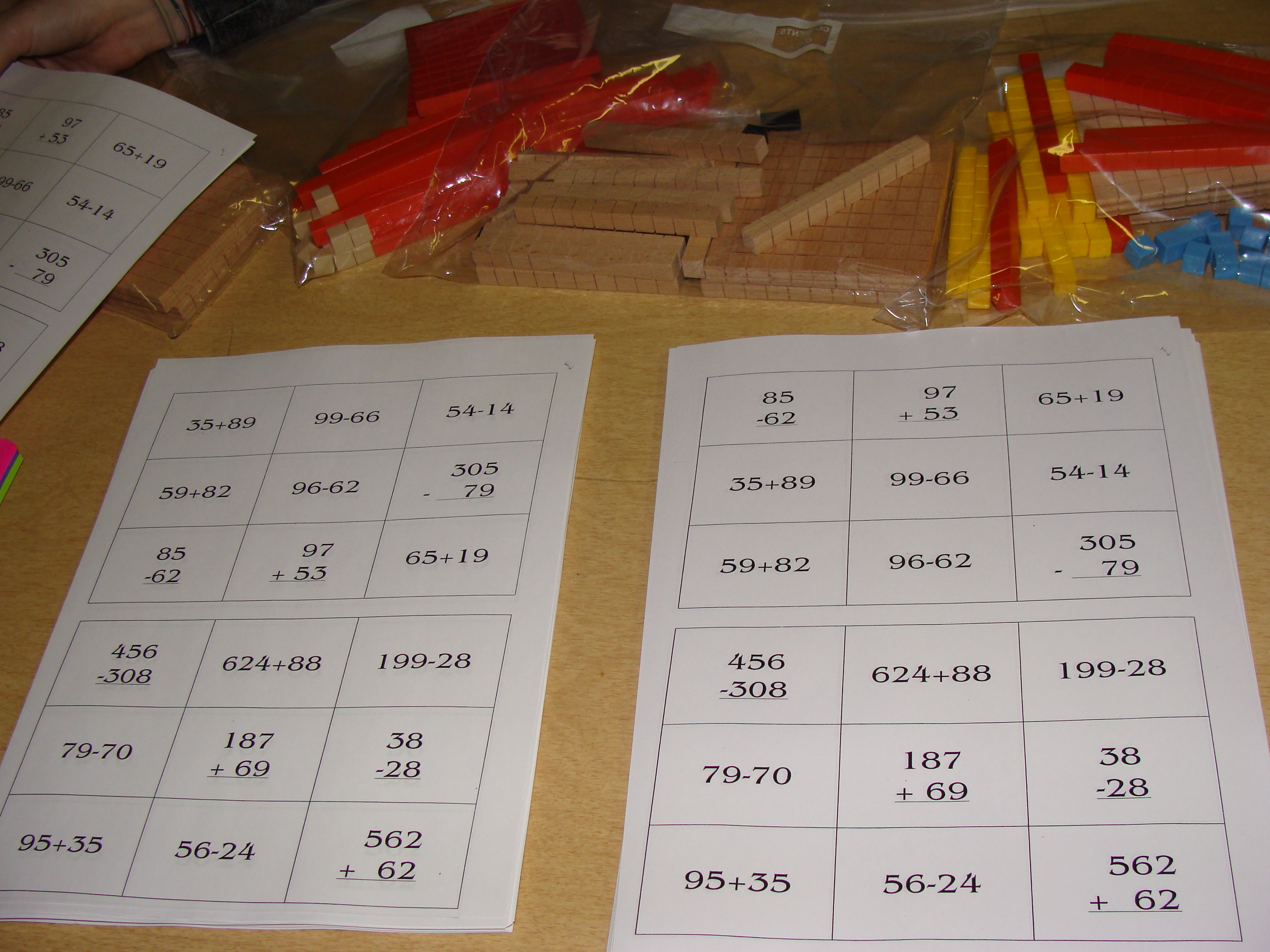
Addition/Subtraction Tic Tac Toe and Take Home Base Ten Block Baggies
The addition/subtraction tic-tac-toe boards and take home base ten blocks shown above are present at a parent table. We have an over abundance of base ten blocks at school. We have about 10 LARGE plastic containers of them that are not used in addition to the ones in teachers’ classrooms. Since we have so many, we decided to send some home with parents.

Legos with Number Bonds

100th Day Dress Up

Ten Frame Station For Parents
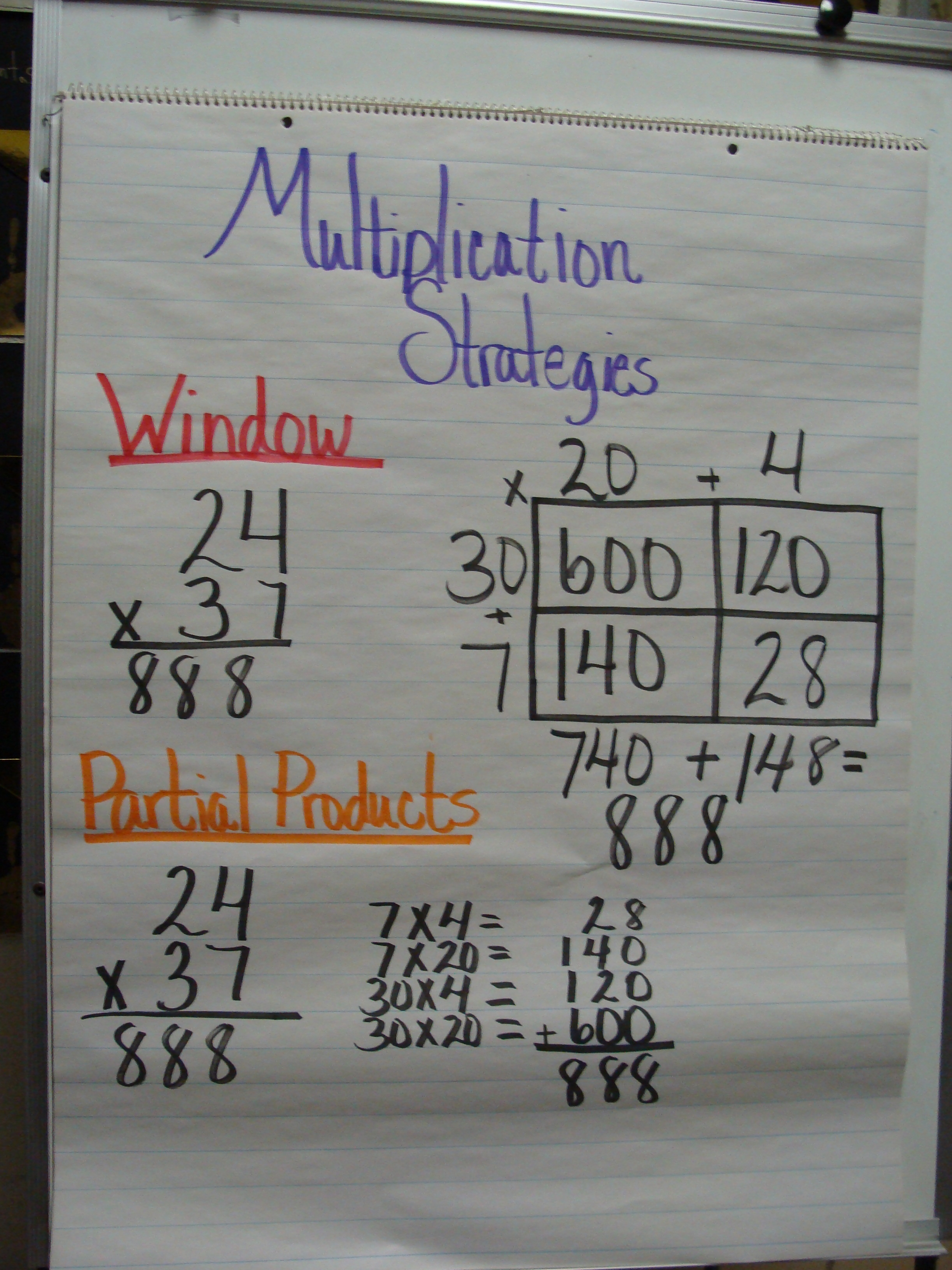
Multiplication Booth

Technology Station

Math Websites Station
100th Day Dress Up
On the Hundredth Day of School, we decided as a staff to all dress up with 100 objects on our clothing. I managed to get some photos of the most imaginative outfits. Sorry some of the pictures I took without realizing I didn’t have on my flash. We had a contest among the staff and then we had additional contests for the K-2 students and for the 3-5 students. I nominated a committee to judge the contests. We announced the winners of the dress up that evening at the Family Math Night.
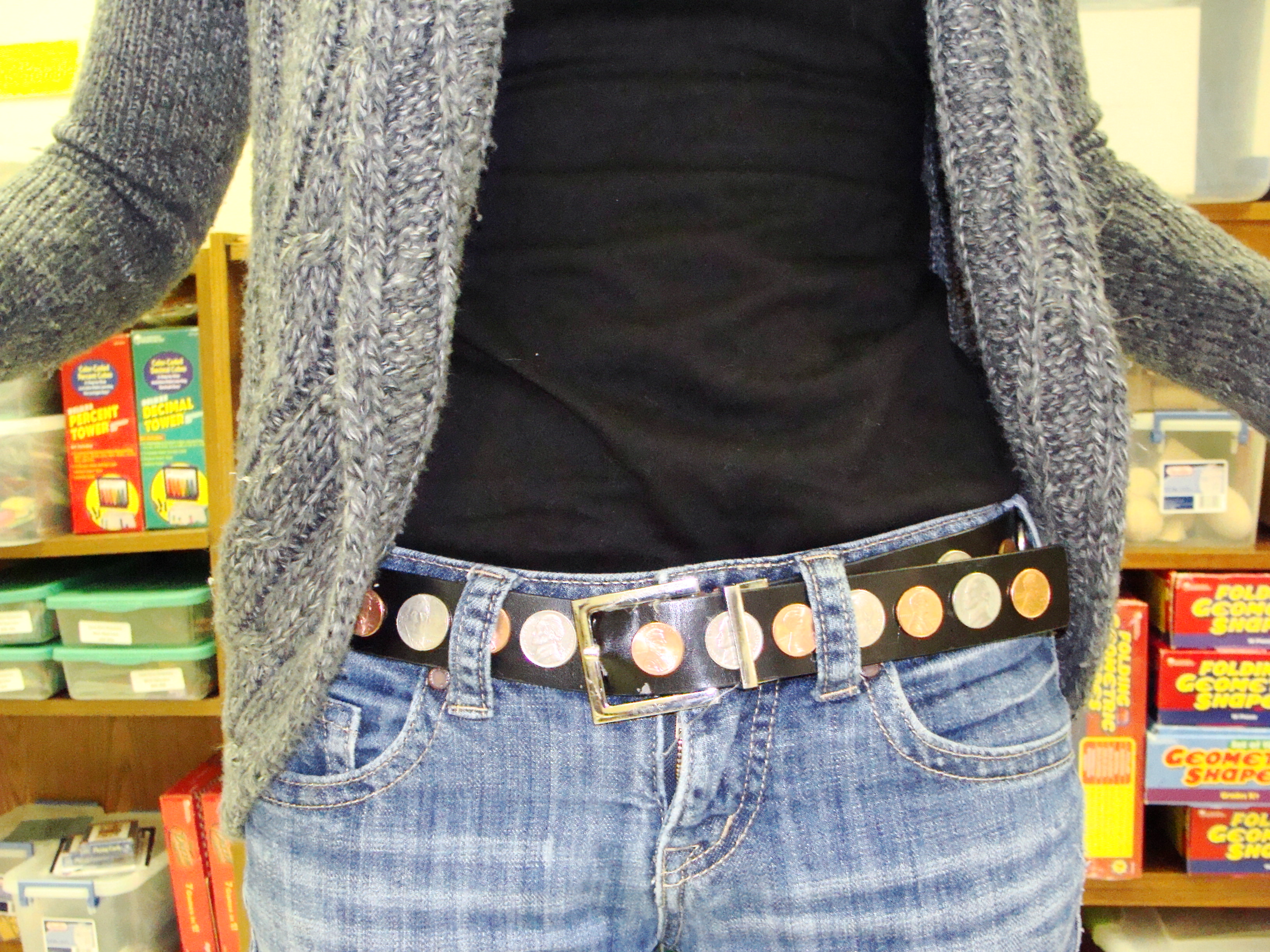
Accessories with 100 coins


How Creative!
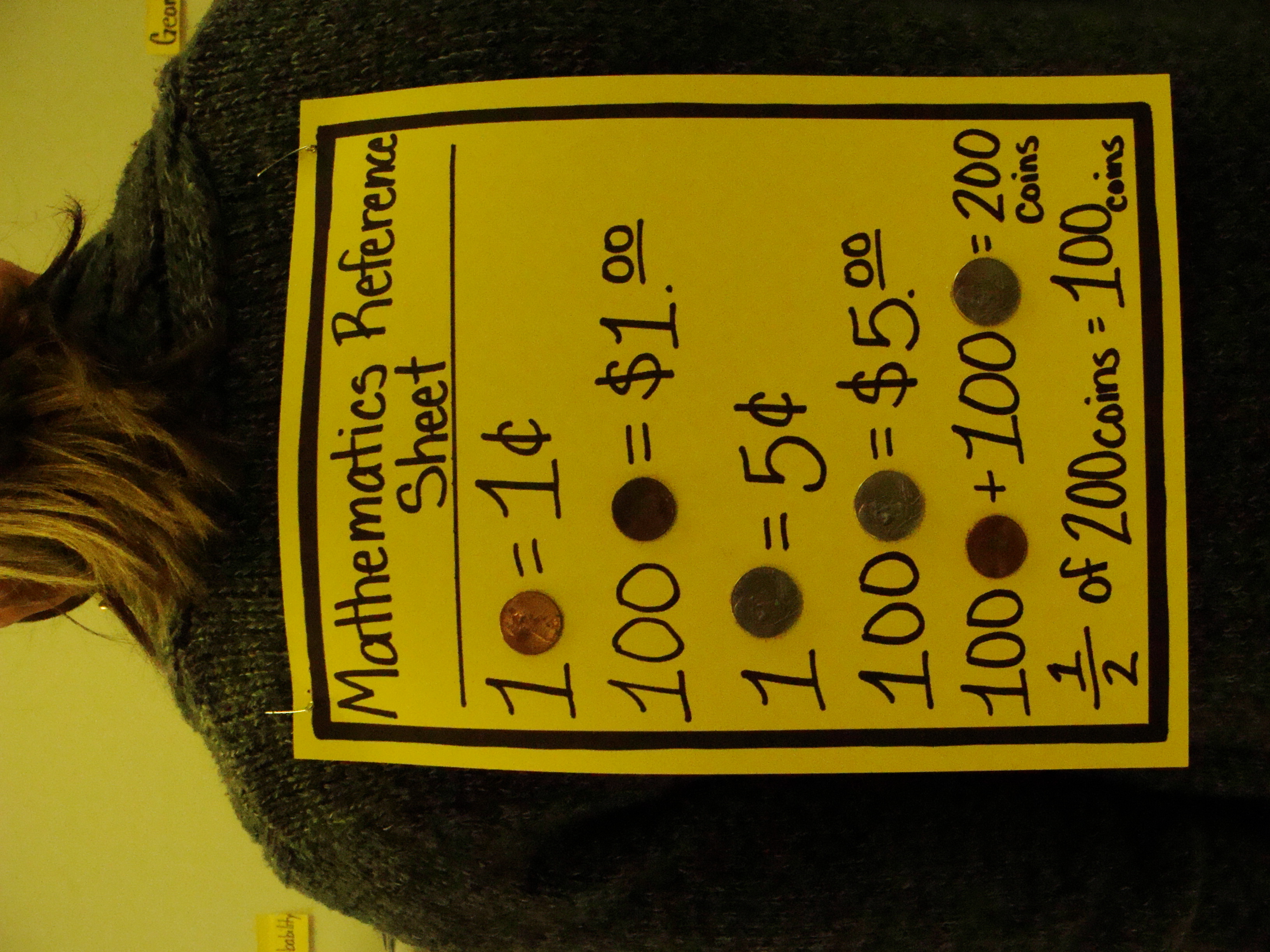


100 barrets on a necklace

My T-shirt with 100 google eyes
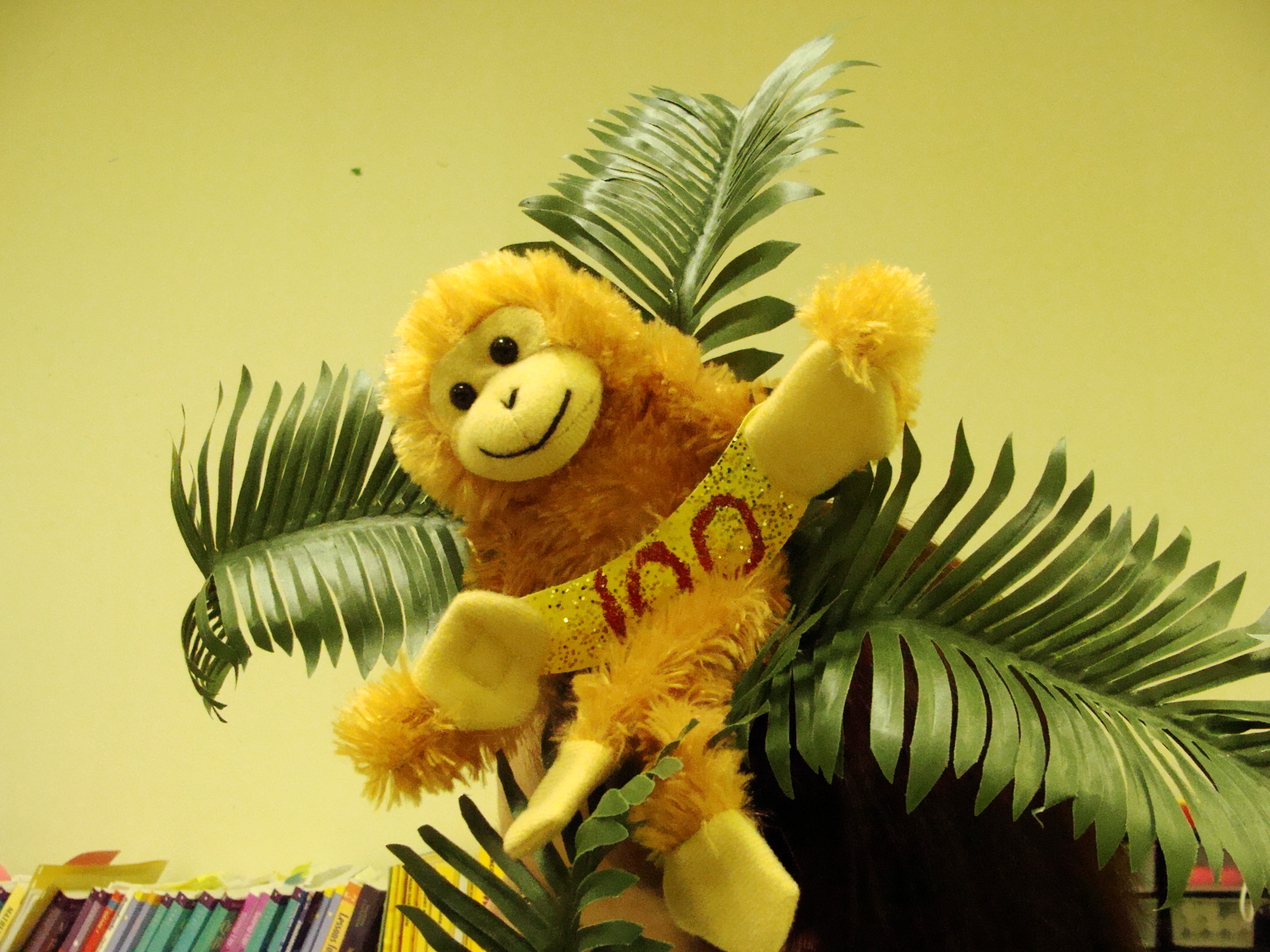
Banana tree hat

Banana tree with 100 bananas and a monkey on top

100 bracelets
Finally I’m Back
Well, to update you all, about a week and a half ago my computer displayed a blue screen. My laptop was so proud of its blue screen, it stubbornly decided that is all it would display. The next morning I had my computer all ready to go out the door, and I locked myself out of the house since I was carrying so many things in my hands. That’s the first time I’ve done that since I’ve moved into my house a year and a half ago. At least I had my cell phone with me and I was able to call a locksmith. While I waited in the car about 2 hours to find a locksmith and then wait on him to come unlock my door, my feet started feeling numb. I just decided that I would chalk the day off to taking my computer in to be fixed since half the school day was gone anyway. After describing my problem to the computer repair technician, he said, “Yeah, we call that the blue screen of death.” That was encouraging. :/ So, after waiting a little over a week, I finally have my old couch companion back minus its programs, but gladly with all files in tact. 🙂 YAY! I guess the technician heard my laptop singing….”if I only had a brain” because it came back with a brand spanking new hard drive!
100th Day of School Dress Up Letter
Here is our hundredth day of school dress up letter that we sent home to parents to let them know about our festivities. I am posting it here 100thDayofSchoolDressUp in Word format, so you can easily adapt the wording to fit your needs. I am going to adapt Mrs. Saoud’s rubric from Primary Graffiti for the judging of the dress up contest. We will reveal the winners of the contest at our Family Math night tomorrow evening to encourage parent and student attendance. I will be posting pictures of this soon.

You Will Want to Bookmark This Freebie!
The librarian at school forwarded me this fabulous site with ready made smart board lessons! Great for K-5 students. There are many fun and interactive lessons for math, geography, history, science, phonics, literacy. Take the time to browse.